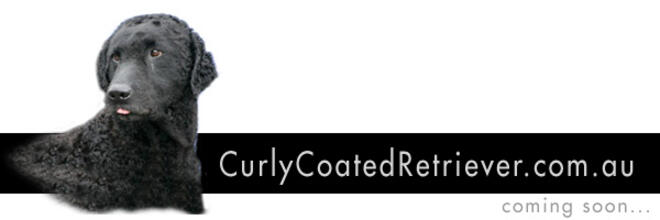
The Curly Coated Retriever
The Curly Coated Retriever is a breed of dog that has a long and storied history. Originally bred in the United Kingdom it has been used for hunting and retrieving game for centuries.
History of the Breed
The history of the Curly Coated Retriever can be traced back to the late 18th century in the United Kingdom where the breed was developed by crossing the Labrador Retriever with the Water Spaniel and the Irish Water Spaniel resulting in a dog that had the retrieving skills of the Labrador and the water-loving nature of the spaniels.
Like many retriever dogs, it was primarily used for hunting and retrieving game such as waterfowl and upland birds and sometimes used for retrieving fish and other aquatic animals. Curly Coated Retrievers were known for their ability to work in both fresh and saltwater environments and were particularly popular in England and the United States.
Curly Coated Retrievers were first recognized as a breed by the Kennel Club in the United Kingdom in 1873 however their popularity began to decline in the early 20th century as other retrievers, such as the Labrador, became more popular. By the 1950s, the breed was considered to be on the brink of extinction.
Efforts to preserve the breed began in the 1960s and 1970s, and the breed began to make a comeback. Today, the Curly Coated Retriever is still considered to be a rare breed but its numbers have been increasing. They are now recognized by major kennel clubs around the world, including the American Kennel Club, the Canadian Kennel Club, and the Kennel Club of the United Kingdom.
The breed continues to be used for hunting and retrieving but they also excel in other activities such as agility, obedience and tracking and are increasingly popular as a family pet due to their friendly and outgoing personalities.
Appearance
The Curly Coated Retriever is a large and powerful breed. According to the breed standard, they should measure between 61-69 cm (24-27 inches) at the withers and weigh between 29-36 kg (65-80 pounds). They have a distinctive curly coat that is thick and water-resistant which can be black or liver in colour. The breed has a strong and athletic build with a deep chest and well-muscled legs.
The Curly Coated Retriever's coat requires regular grooming to maintain its appearance and health and should be brushed at least once a week to remove tangles and mats which will also help to distribute the natural oils throughout the coat. The coat should also be trimmed every few months to keep it in good condition and the ears should also be checked and cleaned regularly to prevent infections.
Temperament
Curly Coated Retrievers are known for being friendly and outgoing and they are also highly intelligent and easy to train. They are eager to please and make great companions for active families and are known for being good with children and other pets. They have a strong retrieving instinct and love to play fetch and will happily run around in the garden or park.
Health
Curly Coated Retrievers are generally a healthy breed and have a lifespan of around 8-10 years. They can be prone to certain health issues, such as hip dysplasia, elbow dysplasia, and progressive retinal atrophy. Regular vet checkups and a healthy diet can help to keep these issues at bay.
Suitability as a Household Pet
Curly Coated Retrievers make great household pets for active families. They have a lot of energy and need regular exercise, such as long walks and playtime. They also require regular grooming to keep their curly coat in good condition. They are known to be good with children so they can make a great family pet. However, they are large dogs so they will need a big space to live and love the outdoors..
The Curly Coated Retriever is a loyal, friendly and intelligent breed that makes a great companion for active families. With proper training, socialization, exercise and care, they can be a loving addition to any household. If you are looking for a large, active and friendly companion the Curly Coated Retriever may be the perfect breed for you.